
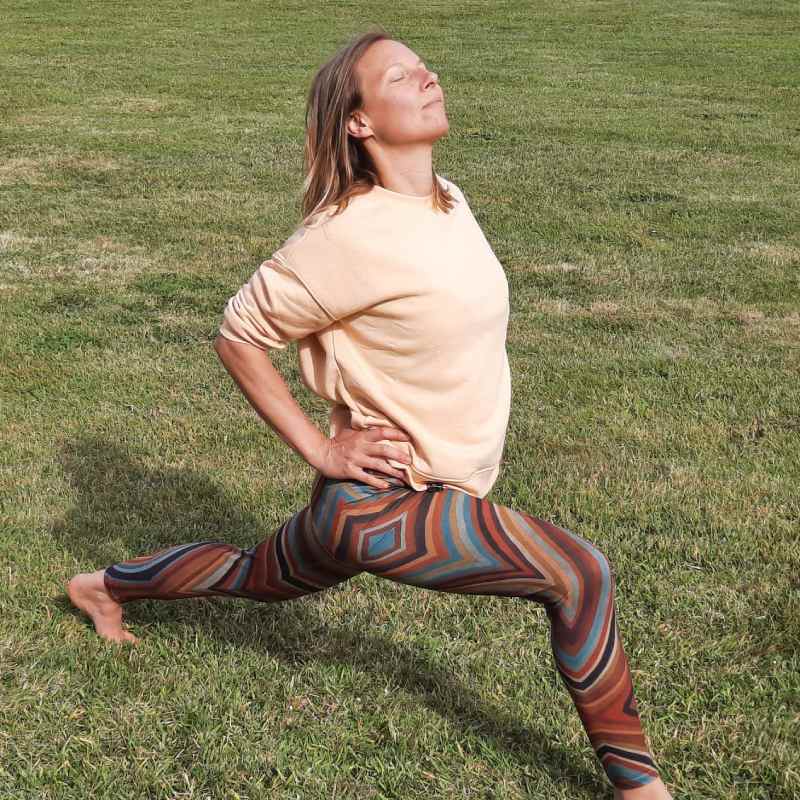
When I first started teaching yoga, I very quickly realised something important—yet completely absent—from my teacher training: how to honour my own menstrual cycle while still showing up as a present, grounded, and authentic instructor.
On the days before and during my period, my whole being wanted to withdraw from people, curl up in a little ball, and drink hot chocolate. What I did not want was to demonstrate dynamic flows, hold strong poses, or pretend I had the same level of energy as the week before.
I realised that if I wanted to offer high-quality classes while remaining true to myself, I needed to adjust both my personal practice and my teaching style during these phases. What began as a necessity soon became a profound lesson in embodiment, intuition, and self-compassion.
Below are the things that helped me—and that I wish every female yoga instructor learned during their training—from teaching sustainably while honouring the luteal and menstrual phases.
Teaching Yoga During the Luteal & Menstrual Phases
When teaching a yoga session before or during a student’s period, the most supportive approach is one that is gentle, restorative, and deeply intuitive. These are the guiding principles I now rely on:
1. Prioritize Listening to the Body
Every person experiences their cycle differently.
Some feel strong and energetic; others feel drained, crampy, or highly emotional.
As teachers, we can encourage students to:
- tune into their energy levels
- modify or skip poses without guilt
- choose the pace their body needs
Empowerment begins when we give permission to honour the body’s honest signals.
2. Focus on Calming the Nervous System
The days before and during menstruation often come with PMS symptoms—anxiety, mood swings, irritability, fatigue, or overwhelm.
Inviting students into practices that soothe the nervous system can be incredibly supportive:
- slow, deep breathing (pranayama)
- extended exhales
- grounding meditations
- long, gentle holds
This helps the body shift into the parasympathetic state—the place where rest, release, and emotional softening can happen.
3. Avoid Excessive Heat & Intense Exertion
During this time, the body naturally wants to cool and slow down.
It’s wise to avoid:
- hot yoga or heated rooms
- strong power flows
- fast-paced Vinyasa
- long, intense sequences
These can increase internal heat and potentially worsen symptoms like heavy bleeding, headaches, or cramping.
4. Encourage Use of Props
Props are not a sign of weakness—they are tools of kindness.
Bolsters, blankets, and blocks can turn a pose from “barely manageable” into deeply restorative.
Support allows the body to soften while still receiving the benefits of the posture.
5. Modify or Skip Intense Poses
Traditionally, certain poses are discouraged during menstruation, such as:
- deep twists
- strong inversions (headstand, handstand)
- intense backbends
Although modern research says inversions are physically safe, many people—myself included—feel uncomfortable or dizzy during them at this time. The most supportive approach is:
If it doesn’t feel right, don’t do it.
Our job as instructors is to model self-trust, not perfection.
Why This Matters
Working with the cycle—not against it—is a powerful step toward reclaiming embodiment.
Teaching from a place of honesty is not only more sustainable for us as instructors—it also gives our students permission to honour their own rhythms, cycles, and needs.
I wish my teacher training had included this wisdom.
But learning it through experience has taught me something even more valuable:
When we teach from our truth, we teach from our power.
Leave a Reply