
Introduction
If you are someone navigating stress, burnout, or emotional overwhelm, this article is for you. The potential audience includes:
- Professionals seeking tools to manage workplace stress
- Individuals recovering from trauma or anxiety
- Wellness enthusiasts exploring holistic practices
- Therapists and coaches looking for complementary techniques to support clients
Breathwork is not just for those on a spiritual path—it is increasingly recognized by science as a practical method for nervous system regulation.
What is Conscious Connected Breathwork technique?
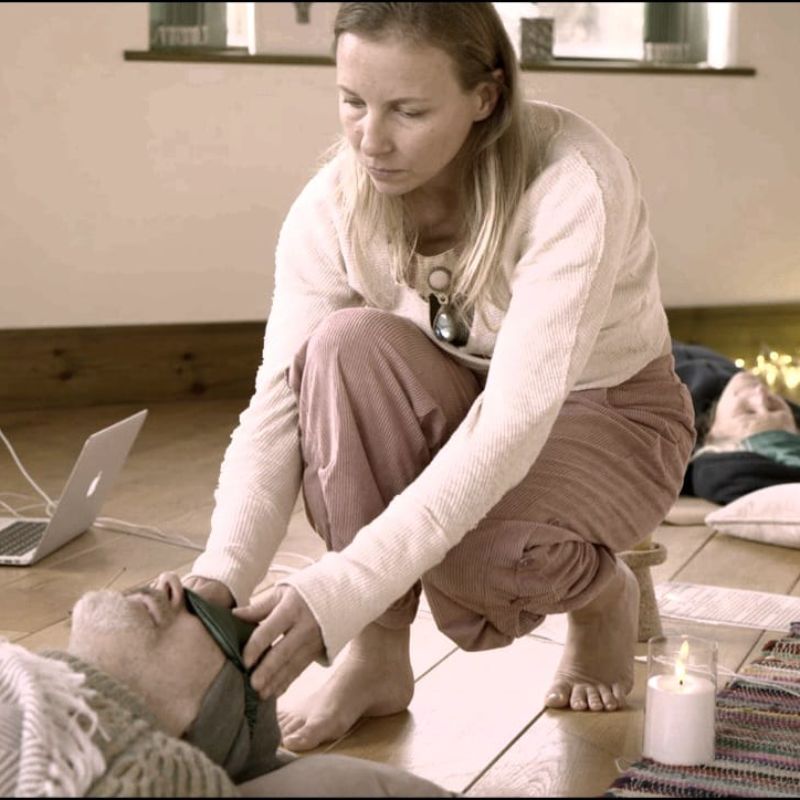
Conscious Connected Breathwork (CCB) is a structured breathing technique where inhalations and exhalations are intentionally linked without pauses. This rhythmic breathing pattern signals safety to the body, helping the nervous system shift from survival states (fight, flight, freeze) into balance and regulation.
How Conscious Connected Breathwork Affects Our Nervous System?
Our nervous system is the command center for how we respond to life. When dysregulated, we may experience:
- Chronic stress or anxiety
- Difficulty sleeping
- Emotional reactivity
- Physical symptoms such as tension or fatigue
By working directly with the autonomic nervous system, Conscious Connected Breathwork helps restore equilibrium, supporting both mental and physical health.
Benefits of Conscious Connected Breathwork
Research and practice highlight several key benefits:
- Regulation of stress response: Breathwork activates the parasympathetic nervous system, reducing cortisol and calming the body.
- Improved emotional resilience: Regular practice enhances emotional regulation and reduces reactivity.
- Enhanced brain function: Studies show changes in cortical brain activity, improving mood and clarity.
- Trauma recovery support: Breathwork works with the vagus nerve, helping trauma survivors move out of chronic fight-or-flight states.
- Greater self-awareness: The practice often brings insight and emotional release, fostering personal growth.
Case Study: Breathwork in Practice
A 2023 study published in Current Psychology examined the effects of Conscious Connected Breathwork on 20 healthy adults aged 23–39. Participants engaged in connected breathing sessions while researchers measured brain activity and mood changes. Results showed:
- Significant shifts in cortical brain activity
- Improved mood and emotional state
- Reports of increased calm and clarity after sessions
This case study demonstrates how even short-term breathwork can positively influence the nervous system, reinforcing its value as a therapeutic and wellness tool.
Questions to Consider
- How often do you notice your breath during stressful moments?
- Could a simple, structured breathing practice help you feel more grounded?
- What would it mean for your daily life if your nervous system felt more balanced?
How to Get Started?
If you are curious about trying Conscious Connected Breathwork, here are some starting points:
- Guided sessions: Work with a trained facilitator to ensure safety and support.
- Short daily practice: Begin with 10 minutes of connected breathing, focusing on rhythm and flow.
- Integration: Pair breathwork with journaling or mindfulness to deepen self-awareness.
- Community: Join workshops or group sessions to share experiences and learn collectively.
Book Your Session With Us:
Based in Cornwall “Returning to Breath” is more than a metaphor—it is a pathway to nervous system healing, resilience, and clarity. If you are ready to explore Conscious Connected Breathwork, consider booking an in-person guided session with us which are currently held in Charlestown and in Penzance or joining our online session. Your nervous system is waiting for you to reconnect
Tel: +4475172 07840
Email: infobreath2yoga@gmail.com
Leave a Reply